Blog / Used Vehicles

What Year GMC Sierra to Avoid? How to Research Used Truck Generations

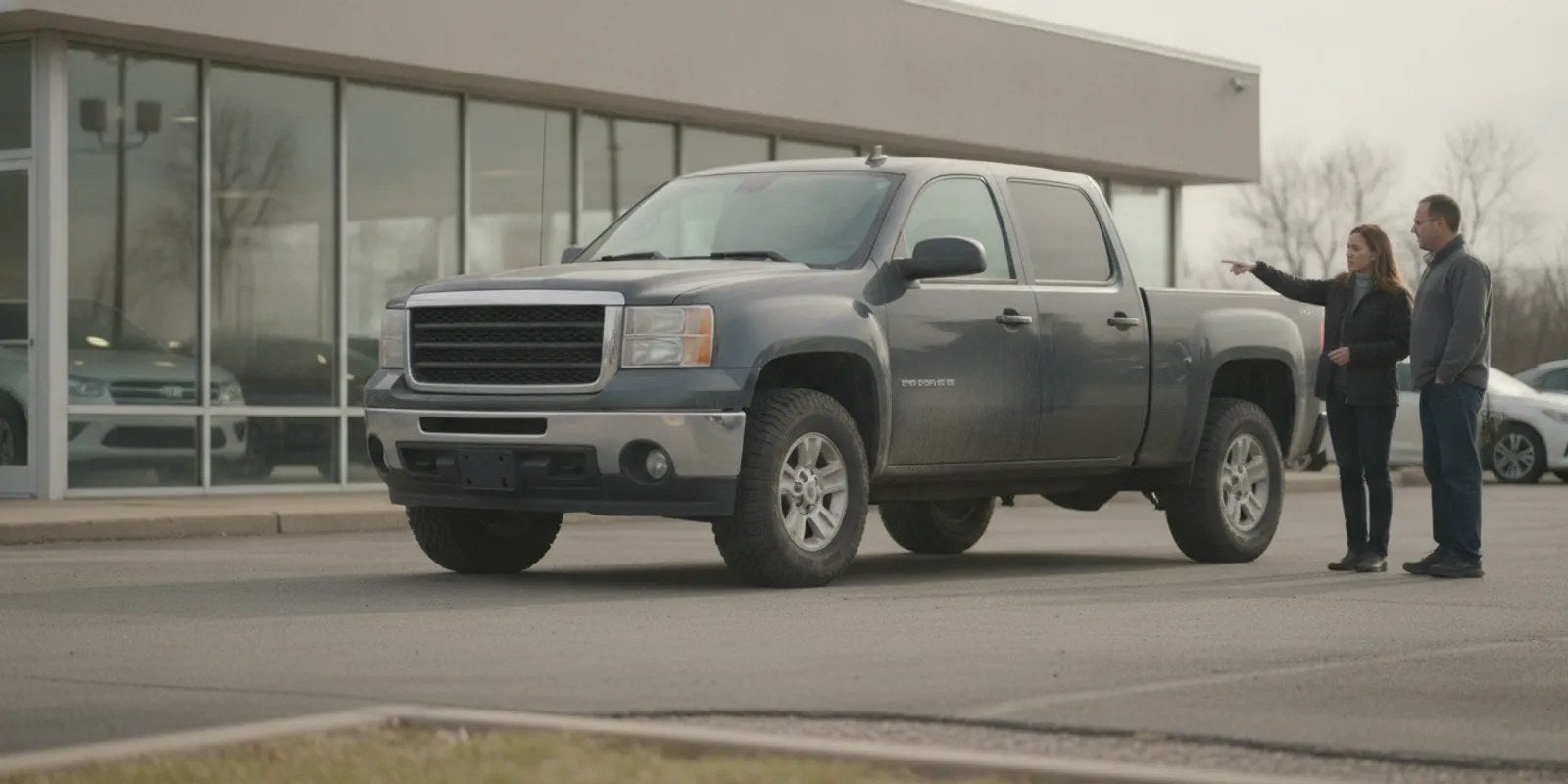
Used GMC Sierra pickup truck parked outside a dealership in Gladstone

If you are asking what year GMC Sierra to avoid, there is no single model year every used-truck shopper should automatically rule out. Condition, maintenance, configuration, recall completion and the specific truck’s history all matter. Portland-area buyers can use a careful, vehicle-by-vehicle process instead of relying on a broad year-based verdict.

Ask about used GMC Sierra options

Why is there no universal Sierra year to avoid?

A model year can include different engines, trims, cab and bed combinations, equipment packages and production updates. A concern reported about one configuration does not automatically apply to every Sierra from that year. Likewise, a well-maintained truck from a year that attracts online criticism may deserve a closer look than a neglected truck from a year with a better reputation.

Online lists can help you identify questions, but they are not a substitute for checking an individual vehicle. Posts may combine owner experiences, repair anecdotes and technical reports without establishing how common a problem is or whether it affects the truck you are considering. Treat claims as leads to verify, not as a final buying decision. Compare like with like: similar engines, equipment, mileage and use are more informative than model year alone.

How should you compare model years?

Start with the exact truck, not just the badge and year. Record the VIN, engine, transmission, trim, mileage and advertised equipment. Use the National Highway Traffic Safety Administration as a starting point for official vehicle-safety and recall information; check any recall by VIN using the agency’s recall resources. A recall lookup is one check, not a complete mechanical inspection or a guarantee that all prior work was done properly.

  • Confirm the configuration. Make sure the engine and equipment match what you need for daily driving, towing or work.
  • Review maintenance records. Look for consistent service documentation and ask about gaps or major repairs.
  • Check recall status. Use the VIN, then ask for documentation of completed recall work.
  • Compare comparable trucks. Look at similar mileage, condition, trim and equipment rather than comparing model years alone.
  • Arrange an independent inspection. A qualified technician can assess condition and identify issues that a history report cannot show.

What should you check on a used Sierra?

Before a test drive, inspect the exterior and interior for signs of damage, uneven wear, water intrusion or repairs. Check that lights and dashboard indicators work as expected. Look for tire wear that seems uneven and note any fluid spots, but do not treat a quick visual check as a diagnosis. Ask what repairs have been made and whether documentation is available.

During a test drive, notice how the truck starts, shifts, brakes and steers under ordinary conditions. Unusual noises, warning lights or drivability concerns warrant follow-up with a qualified technician. A short drive cannot rule out an intermittent issue, and a truck that feels normal on one trip still merits a thorough inspection.

Ask for available service records and compare them with the owner’s manual schedule for that particular year and configuration. Review a vehicle history report as one source of information, while remembering that not every repair or event will necessarily appear in a report. If the seller cannot answer a question, get the information verified before committing.

How can Portland-area buyers make a practical shortlist?

Begin by listing what the truck must do: commute, carry equipment, tow a particular load, or serve a mix of work and family needs. Match those needs to the Sierra’s configuration and verify ratings and equipment for the exact vehicle. Do not assume every truck with the same model name has the same capability. If towing matters, confirm the vehicle-specific rating and required equipment rather than relying on a general model description.

Auto Town GMC is a GMC dealership in Gladstone serving Portland metro shoppers. When reviewing a used Sierra, ask which specific vehicle is being discussed and request its VIN, current condition details and available records. Inventory can change, so confirm a truck is available before making a trip. Learn more about used vehicle shopping at Auto Town GMC and ask whether a test drive can be arranged.

Plan for ownership after purchase, too. Ask what routine maintenance the truck may need based on its records, mileage and condition. Auto Town GMC advertises GM maintenance and repair services; confirm directly what work is appropriate and whether an appointment is available. For service information, visit Auto Town GMC’s dealership website or contact the store. A service professional can advise based on the truck’s condition and applicable maintenance schedule.

Questions to ask before choosing a year

  • Which engine, transmission, trim and equipment does this specific truck have?
  • Can I review the VIN-specific history and available maintenance records?
  • Are there open recalls, and is completed recall work documented?
  • Can I have the vehicle inspected by a qualified technician before purchase?
  • Does the truck’s verified configuration meet my towing, payload or daily-use requirements?

For a useful comparison, write down answers for each candidate truck in the same format. Include the VIN, mileage, service documentation, recall status, inspection findings and equipment. This makes it easier to spot missing information and prevents a low asking price or a model-year reputation from dominating the decision.

Call to discuss a used Sierra

The most useful answer to “what year GMC Sierra to avoid” is to verify the exact truck rather than reject an entire year on reputation alone. Compare records, recalls, condition and fit for your needs, and get a qualified inspection before you decide.

Posted in:

Recommended Posts

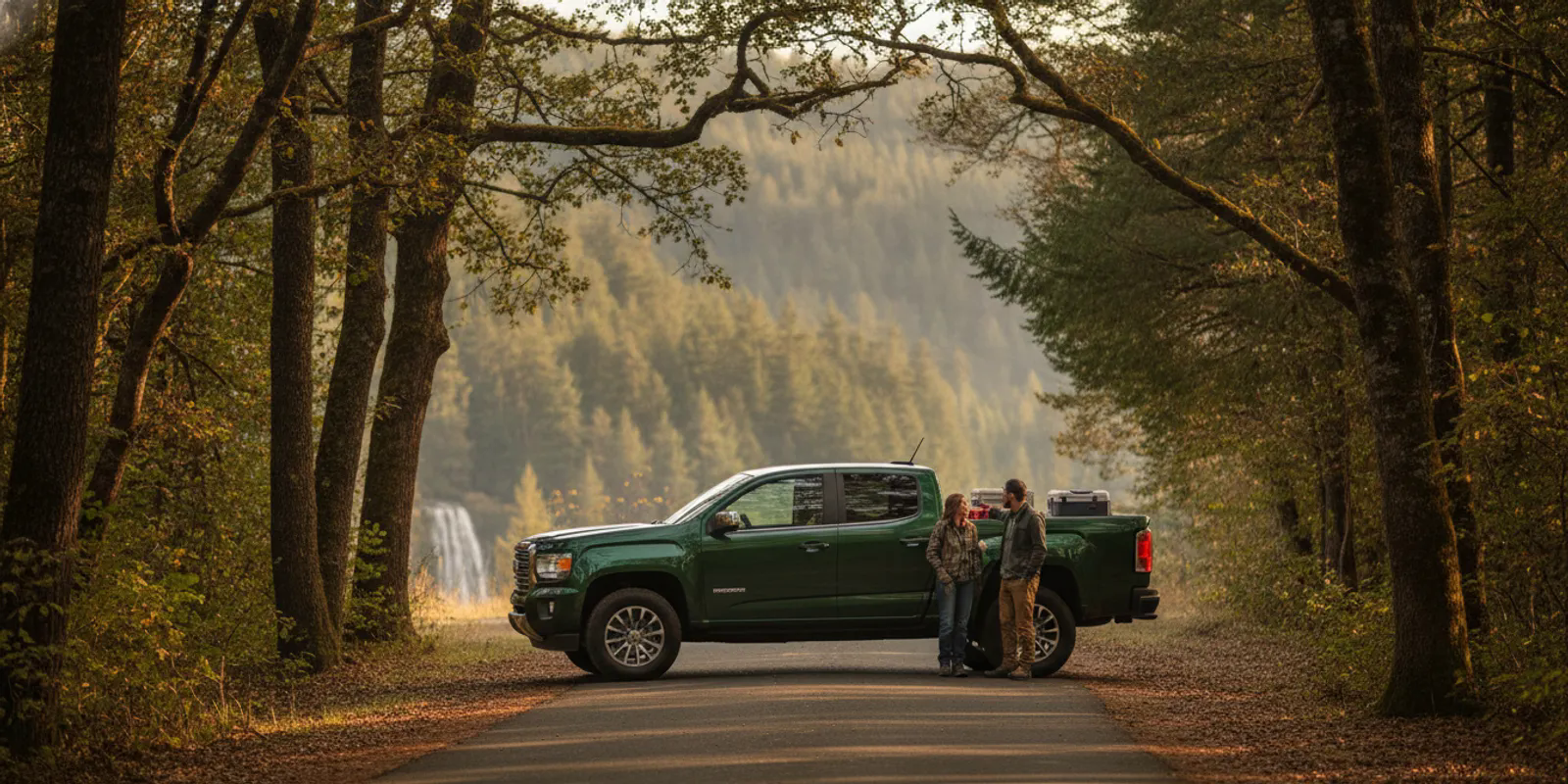
GMC Canyon pickup parked on a tree-lined road near Portland, Oregon

Is the GMC Canyon a Good Truck? Capability, Comfort, and Use Cases

Is the GMC Canyon a good truck for your life in the Portland metro? It can be worth a close look if you want a pickup for everyday driving and practical truck tasks, but the right choice depends on the exact model year, configuration, and how you plan to use it. A commuter traveling between Clackamas, Gladstone, and Portland may prioritize different things than someone who regularly carries work gear or outdoor equipment. Start with your routine, then evaluate the specific truck. Call Auto Town GMC about a Canyon test drive What makes the GMC Canyon worth considering? The Canyon is GMC’s midsize pickup. Its size and pickup layout make it a useful comparison for shoppers who want a truck but are not starting with a full-size model. “Good” is not a one-size-fits-all verdict: it means the truck’s passenger space, cargo arrangements, capability, and equipment suit the tasks you actually do. Before visiting a dealership, list your three most common vehicle uses and rank them. Those might include a daily commute, carrying tools, moving recreational gear, or towing a trailer. Then add any occasional jobs. Prioritizing frequent needs helps keep an unusual once-a-year task from outweighing the things that affect your everyday comfort. For example, a shopper who mainly commutes and carries a few bags may focus on seating comfort, visibility, parking, and the cabin features on the individual truck. A buyer who hauls materials should also check the specific vehicle’s published payload information and how the cargo will be secured. A trailer owner should identify the trailer’s loaded weight and verify the truck’s towing information for its exact configuration. Which Canyon configuration should you compare? Model year and configuration matter. Equipment, available features, and published capability can differ from one vehicle to another. Do not assume that every Canyon has the same equipment or capacity based on the model name. Use current GMC information and the vehicle’s listing or window sticker to check what is included, and ask the dealership to confirm details for the exact vehicle. Driving and parking: Think about your commute, garage, workplace parking, and the roads you use most. A test drive can help you judge whether the truck feels manageable in your usual settings. Passengers: Consider who rides with you and how often. If possible, bring regular passengers along so they can try the seating and entry space. Cargo: List the people and equipment you normally carry. Check the specific truck’s capacity information and do not exceed its stated limits. Towing: Identify the trailer and its loaded weight before comparing vehicles. Verify applicable towing information for the specific truck and any equipment that affects it. Features: Decide which comfort, connectivity, and driver-assistance features matter, then confirm that each one is present on the vehicle you are considering. When comparing two trucks, use the same checklist for both. Write down model year, configuration, included equipment, and the capacity information relevant to your plans. That makes it easier to compare the actual vehicles rather than relying on a trim name or a broad description. How can Portland-area shoppers make a test drive useful? A useful test drive should resemble your normal driving as much as circumstances allow. Before leaving, adjust the seat and steering position. Check mirror settings, sight lines, control placement, and how easy it is to get in and out. Notice whether you can reach frequently used controls without distraction. On the route, pay attention to the way the truck feels in stop-and-go traffic, on turns, and at the speeds you commonly travel. If possible, include a road similar to your regular commute. Portland-area shoppers may also want to consider their usual mix of city streets, busier roads, and tight parking areas; the point is to test the truck in conditions that matter to them, not to assume one route tells the whole story. Parking deserves a practical check. Try maneuvering into a space similar to one at home or work, where feasible, and decide whether the size feels comfortable. If you regularly carry a child seat, work equipment, or sports gear, bring an example and check how it fits. Keep any demonstration within the vehicle’s stated limits. Before the drive, prepare a short list of questions: What model year and configuration am I driving? Which features are included? Where can I review the vehicle’s capacity information? If an answer depends on an option or accessory, ask for confirmation for that exact truck. Auto Town GMC is a GMC dealership in Gladstone serving Portland-area shoppers; you can browse Auto Town GMC’s blog as part of your vehicle research, then confirm vehicle-specific details directly with the dealership. What should you review beyond the drive? Ownership fit includes more than how the truck feels for a few minutes. Review the vehicle information, your passenger and cargo needs, and the costs and terms that apply to the specific vehicle. Do not assume that one truck’s equipment, terms, or availability also apply to another. If a particular safety feature is important to your decision, verify it on the vehicle and consult consumer information from the National Highway Traffic Safety Administration. Also think about routine maintenance and repairs. Auto Town GMC’s service operation handles GM maintenance and repairs. Ask about the maintenance information relevant to the Canyon you are considering, and confirm service details directly with the dealership. This is a practical ownership question, not a promise about a particular repair result, price, or turnaround time. You can also revisit Auto Town GMC’s blog for dealership-published vehicle information, while checking any model-specific detail against current GMC materials. For a fair comparison, keep a simple note for each truck: what you liked on the drive, what you still need to verify, and whether it meets your regular passenger, cargo, and parking needs. If towing is essential, do not leave the key specification as an estimate; verify the exact vehicle’s applicable information before making a decision. Is the GMC Canyon right for your needs? The Canyon deserves a closer look if you want a GMC pickup and the specific truck’s seating, cargo arrangement, equipment, and verified capability align with your routine. It may be a less suitable choice if your regular work requires specifications beyond that vehicle’s limits, or if your daily priorities are better served by a different type of vehicle. The answer depends on the particular configuration and your own use, not a broad claim about an entire model line. Before visiting, note your typical passengers, cargo, commute, parking situation, and any towing needs. Bring the same checklist for each truck you compare. Ask the dealership to identify the vehicle’s model year and configuration, show you the relevant equipment and capacity information, and answer questions about the next steps. This gives you concrete details to weigh instead of relying on assumptions. Call Auto Town GMC to ask about a Canyon test drive A focused test drive and a careful review of the exact truck can help you decide whether the GMC Canyon belongs in your driveway.

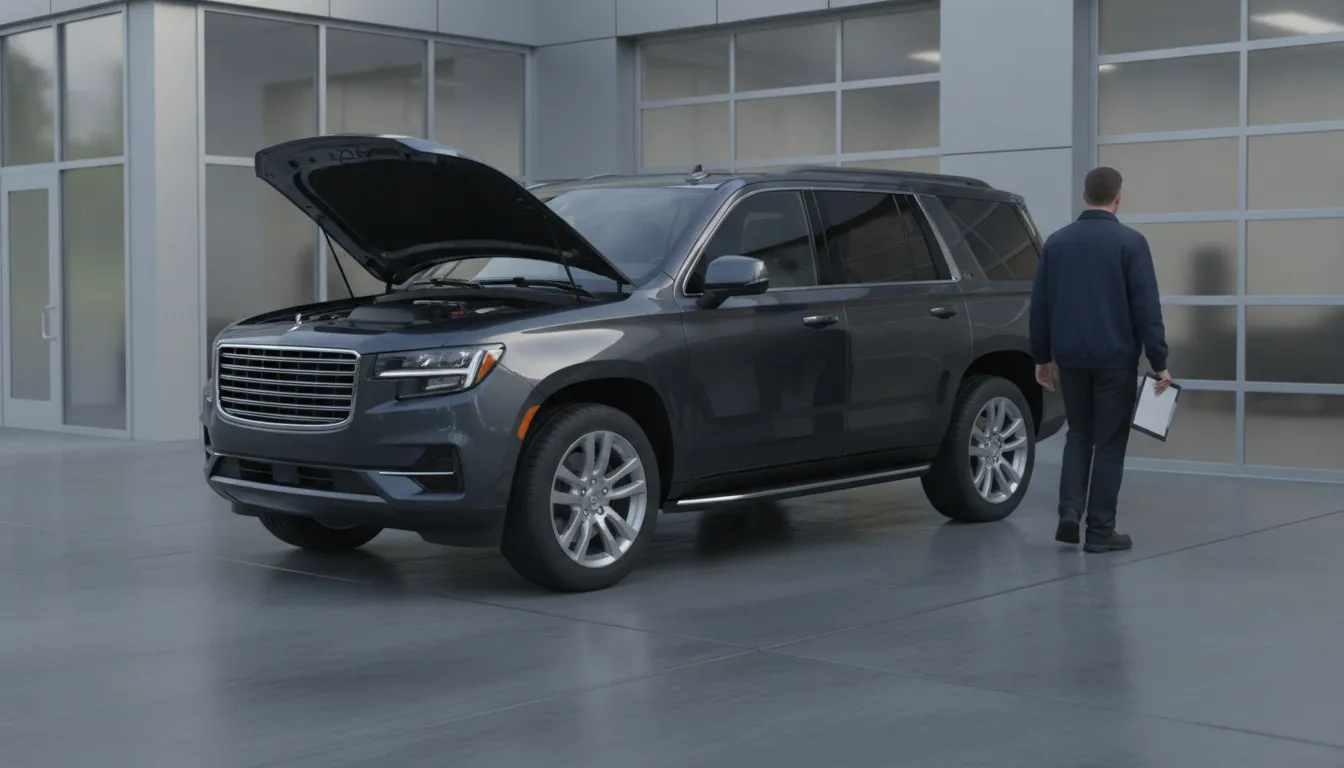
A dark full-size SUV with the hood open outside a service bay while a technician walks over

Are GMC Yukons Reliable? Research Tips

Are GMC Yukons reliable? A fair answer starts with the SUV in front of you, not a single score for every year. The Yukon is a full-size family SUV. GMC builds it in short-wheelbase and Yukon XL forms, with gas V8 engines and an available diesel. Some years have a specific engine recall. Others do not. Service records, a VIN recall check, and a real inspection tell you more than a forum thread. Call (503) 513-4640 to schedule a Yukon test drive at Auto Town GMC in Gladstone, or get pre-qualified before you visit. Auto Town GMC is a family-owned GMC store at 19495 SE McLoughlin Blvd in Gladstone. We have served the Portland metro for more than 20 years. New GMC sales come first, used vehicles second, and service third, because a sold vehicle becomes a service customer. If you are shopping a Yukon for family or business use, we can help you look at the truck and the paperwork together. Are GMC Yukons reliable for a family SUV? Reliability is not one number you can stamp on the badge. A Yukon that got oil changes on time, had recalls closed, and was inspected before purchase is a different vehicle from one with a thin file. That is true of a new Denali and a used SLT. Shoppers usually mean three things when they ask if Yukons hold up: Will the engine, transmission, and suspension last through family miles? Are there open safety recalls on this VIN? Can a local dealer service it with GM parts after the sale? The current lineup is still a large SUV. GMC's 2027 Yukon page lists a standard 5.3L V8, an available 6.2L V8, and an available Duramax 3.0L turbo-diesel. Seating can reach eight passengers, depending on the row setup. Those facts describe the new truck. They do not promise how a 2019 used Yukon was cared for. Treat "reliable" as a research result. Read the maintenance history. Run the VIN. Then drive the SUV. Our 2026 GMC Yukon research page covers the current model story. This article stays on how to judge condition. Check the model year before you trust a Yukon score A headline that says "avoid this year" often mixes several engines into one grade. The Yukon and the longer Yukon XL do not always share the same complaint pattern. A 5.3L truck is not the same case as a 6.2L truck. Write down the year, the engine, and the VIN before you compare stories online. Here is a simple way to sort what you are looking at. It is a research map, not a pass or fail list. What you are shopping. What to verify first. What this does not prove. New 2026 or 2027 Yukon. Check the window sticker, engine, and GMC limited warranty terms. It does not describe every older Yukon. 2021-2024 Yukon or Yukon XL with the 6.2L V8 (RPO L87). See whether NHTSA recall 25V274 is open on that VIN. Not every Yukon from those years is included. Same years with a 5.3L or diesel. Read the window sticker or RPO list, then the service history. The 6.2L recall does not apply to this engine. Older used Yukon. Review service records, title brands, and a current inspection. A clean history report does not replace a test drive. GMC's published new-vehicle coverage is a bumper-to-bumper limited warranty of 3 years or 36,000 miles, whichever comes first. The powertrain limited warranty is typically 5 years or 60,000 miles, whichever comes first. GMC says other durations can apply, and routine maintenance is not covered. Read the warranty manual for the exact SUV, or ask us to walk through it on the one you are considering. Mileage still matters more than the badge. A highway Yukon with dated oil-change receipts can be a better buy than a low-mile truck with no file. Ask for the maintenance record before you negotiate. What NHTSA recall 25V274 means for some Yukons General Motors filed NHTSA recall 25V274, manufacturer number N252494000, on July 22, 2025. The Part 573 report covers certain 2021-2024 GMC Yukon and Yukon XL vehicles, plus related Cadillac, Chevrolet, and Sierra models. The scope is narrow. Only trucks with the 6.2L V8 gas engine, RPO L87, built in the suspect window are included. GM's report says vehicles outside that window, and vehicles with other engines, are not included. GM counted 82,841 GMC Yukon vehicles and 60,926 GMC Yukon XL vehicles in the population. Production dates in the report run from March 1, 2021, through May 31, 2024. The stated defect is in connecting-rod and crankshaft components. GM says manufacturing defects can lead to engine damage and engine failure. If the engine fails while driving, the vehicle can lose propulsion, which raises crash risk. The report also lists warnings a driver might notice first: knocking or banging, a check-engine light, hesitation, high rpm, odd shifting, reduced power, or a no-start. Those signs are a reason to stop driving and have the SUV checked. They are not a diagnosis you should make from the driver's seat. The remedy type is inspect and, as necessary, repair. Dealers inspect the engine and repair or replace it when needed. Trucks that pass inspection get higher-viscosity oil, a new oil-fill cap, an oil filter, and an owner's manual insert. GM said connecting rods and crankshafts in repaired or replaced engines were built after the suppliers' suspect window. Manufacturing improvements on or before June 1, 2024, addressed the production issue. Owner remedy notices were planned as a phased launch. Do not assume your Yukon is in or out of this recall because of the model year alone. Confirm the engine, then check the VIN. The source document is GM's Part 573 report for recall 25V274. A dealer can also look up open campaigns when you bring the SUV in. How to research a used Yukon before you buy Used shoppers in Gladstone, Oregon City, Milwaukie, Lake Oswego, and Southeast Portland usually want a family SUV that is ready to drive, not a project. Use the same short list every time so one shiny Denali does not skip the paperwork. Get the VIN, year, and engine. Confirm whether it is a Yukon or a Yukon XL, and whether the engine is the 5.3L, the 6.2L, or the diesel. Check open recalls for that VIN. If it is a 2021-2024 6.2L, ask specifically about campaign 25V274 and whether the remedy is done. Read service records. Look for oil changes, transmission service, cooling-system work, and any engine repair. Gaps matter more than a perfect Carfax summary. Scan the title. Salvage, flood, or odometer brands are a different conversation from normal wear. Inspect and drive it. Cold start, a highway pull, and a slow parking-lot turn tell you about noise, shift quality, and the air suspension if the truck has it. Price the next service, not a fantasy payment. Budget for tires, brakes, and the maintenance the file does not show. Auto Town GMC sells used vehicles. We do not sell certified pre-owned vehicles, so do not expect a CPO label on a used Yukon here. You can still shop used GMC Yukons on our lot and ask us to review the history with you. Inventory changes, so a filter that looks thin today is not a promise about tomorrow. If the truck is new, skip the "years to avoid" lists and read the window sticker instead. Our new Yukon inventory in Gladstone is the place to see what is on the ground. Pricing on any research page is MSRP talk. The dealer sets the final price, and stock moves. Maintenance that keeps a Yukon in shape No SUV stays reliable on skipped service. The Yukon is heavy, and Portland rain, highway miles to Salem, and short trips around Clackamas County all show up in brakes, tires, and fluids. Follow the maintenance schedule in the owner's manual for that year. GMC's bumper-to-bumper warranty does not cover routine maintenance or damage from insufficient care. The jobs that usually matter first: Oil and filter changes at the interval for your engine. The 25V274 remedy even changes oil spec on trucks that pass inspection, which is a reminder that the right oil matters. Brake inspections. A full-size SUV works the pads and rotors harder than a compact crossover. Tires and alignment. Uneven wear often shows up before a driver feels a handling problem. Cooling system and transmission fluid when the manual calls for them. Software and open recalls at the same visit, so a campaign is not left for "next time." Our service department in Gladstone is GMC Certified Service. Technicians look through tires, wipers, fluids, brakes, and the battery on a maintenance visit. Sales hours run Monday through Saturday, 9 a.m. to 7 p.m., and Sunday, 10 a.m. to 7 p.m. Service and parts run Monday through Friday, 7:30 a.m. to 6 p.m., and Saturday, 8 a.m. to 4 p.m. Service is closed Sunday. You can schedule service online or call the service desk at (503) 513-4640. We aim to fix it right the first time at competitive prices. That is a goal, not a promise that every repair will be simple or cheap. Genuine GM parts and ACDelco parts are available through our parts department. If you want the oil-change menu before you book, the certified oil change page is the right next click. Coupon prices change, so confirm the current special before you count on it. What to do on a test drive in Gladstone A Yukon test drive should answer the reliability questions the paperwork cannot. Start the engine cold if you can. Listen for a knock that does not fade. Watch for a check-engine light that appears, then goes out. On the road, feel for a flare between gears or a shudder under light throttle. Around Gladstone and McLoughlin Boulevard you can cover city stops and a short highway run toward Oregon City or Milwaukie. Use that mix. Family buyers should fold the second or third row and check child-seat room. Business buyers should look at cargo access and how the SUV rides with a load in mind. If you are comparing a new truck with a used one, drive both the same way so the newer interior does not win by default. Bring the questions with you: Which engine is in this VIN, and is any recall open? What maintenance is due in the next year? What does the GMC limited warranty still cover, in years and miles? Can we get pre-qualified before we pick a payment conversation? Vehicle-specific leads are the ones our sales team can actually help with. Tell us the year and trim you want. Purchases happen at the dealership, not online. If you would rather talk first, call sales at (503) 513-4640. When you are ready, call (503) 513-4640 to schedule a test drive, or get pre-qualified online. If you already own a Yukon, book a service visit and bring the VIN so we can check open campaigns. Frequently asked questions Are GMC Yukons reliable for daily family driving? They can be, when the engine, service history, and open recalls check out. A maintained Yukon is a different buy from one with missing records. Judge the SUV you are considering, not an average pulled from every model year. Which Yukon years are in recall 25V274? GM's report lists certain 2021-2024 Yukon and Yukon XL vehicles with the 6.2L V8, RPO L87, built from March 1, 2021, through May 31, 2024. Other engines from those years are not in that recall. Confirm the VIN instead of guessing from the model year. Does a new Yukon bumper-to-bumper warranty cover oil changes? No. GMC's published bumper-to-bumper limited warranty is 3 years or 36,000 miles and does not cover routine maintenance. Powertrain coverage is typically 5 years or 60,000 miles. Ask us to confirm the manual for the SUV you are buying. Can Auto Town GMC service a Yukon I already own? Yes. Our GMC Certified Service department in Gladstone handles maintenance and repairs, and the parts counter can order GM Genuine and ACDelco parts. Call service at (503) 513-4640 or use the online service form. We do not guarantee a same-day outcome for every job. Do you sell certified pre-owned Yukons? No. Auto Town GMC sells new GMC vehicles and used vehicles. We do not sell certified pre-owned vehicles. You can still review a used Yukon's history with us before a test drive.
GMC Commercial Trucks: Choosing the Right Vehicle for Your Business

Choosing GMC commercial trucks starts with the work a vehicle must do every day—not just the badge or body style. For Portland-area businesses, the right choice depends on the load, crew, routes, equipment, and time the vehicle needs to stay in service. A useful comparison begins with those requirements and then checks the specific truck or van configuration. Call (503) 513-4640 to ask Auto Town GMC about commercial vehicle options What work does the vehicle need to handle? Start by writing down the vehicle’s regular jobs. A truck that carries tools and materials between local sites may have different needs from one that tows equipment, transports a crew, or operates on a delivery route. Include the busiest days, not only the average day. That helps avoid choosing a vehicle that fits routine trips but falls short when the workload increases. Build a requirements list before comparing models: People: How many workers travel together? Do they need space for protective equipment or personal gear? Cargo: What are the typical and heaviest loads? Record dimensions as well as weight, and consider loading and securing. Towing: Will the vehicle tow a trailer or equipment? Record the loaded trailer weight and what must also ride in the vehicle. Routes: Consider narrow streets, parking, job-site access, highway miles, and travel beyond the Portland metro area. Upfit needs: List racks, storage, tool organization, or other equipment the business expects to add. These details help narrow the search, but they do not replace limits in the exact vehicle’s documentation. Ask the dealer to confirm the configuration and applicable ratings for the vehicle under consideration. Which GMC vehicle type fits the job? GMC commercial offerings can include trucks and vans, with suitability depending on model, body, and configuration. Auto Town GMC’s documented lineup includes Sierra and Savana, along with other GMC trucks and SUVs. A model name alone does not establish payload, towing capacity, seating, or fit for a particular upfit. Confirm details against the actual configuration being considered. A pickup may suit work that calls for an open bed, towing, or a mix of business and everyday driving. A van may be worth considering when the priority is enclosed cargo space or transporting people, depending on its configuration. Some businesses may need a specialized body or equipment installation. Before choosing, confirm that the base vehicle and modifications work together and that the completed setup meets the business’s operating requirements. For crew transport, compare cab access and storage for tools or materials. For cargo, consider how often the load changes and whether it needs protection from weather. For towing, discuss the trailer and expected load rather than asking about towing in the abstract. These practical details make a comparison more useful than a general feature list. How should a business compare configurations? Compare complete configurations, not just model names. Record the cab and body style, drivetrain, bed or cargo arrangement, seating, and factory or aftermarket equipment included. Then check specifications for the exact vehicle or build. Two vehicles with the same model name can differ in ways that matter for work. Pay attention to the relationship between passengers, cargo, towing, and added equipment. People, tools, accessories, and upfits all contribute to the load the vehicle carries. Ask how the manufacturer’s stated limits apply to the proposed setup and identify the relevant documentation. If an upfit is planned, involve the upfitter early so the vehicle and equipment can be assessed together. Availability changes, so treat online model descriptions as a starting point, not confirmation that a particular commercial configuration is on the lot. Ask which vehicles are currently available, what equipment each includes, and whether a desired build would need to be located or ordered. Get the details in writing before deciding. How do you check the vehicle’s ratings? Use the exact vehicle’s labels and manufacturer documentation rather than a general model-page figure. Payload and towing are configuration-specific, and the planned load matters. When estimating what a vehicle will carry, account for occupants, tools, accessories, and any installed equipment. When towing, discuss the trailer as it will actually be used, including its loaded weight and the cargo carried in the truck or van. For example, a contractor may need to carry a crew, a set of tools, and a trailer on the same trip. A configuration that appears suitable when considered only for the trailer may not suit the combined job. Write down the expected combination and ask the dealer to point to the applicable specifications. If the work varies, describe both a typical day and the heaviest planned use. Do not assume one rating applies across every version of a model. What belongs in the ownership plan? The purchase price is only one part of operating a work vehicle. Consider expected mileage, scheduled maintenance, tire needs, parts, downtime, insurance, and equipment installation. The right questions depend on the vehicle and its use, so avoid assuming one estimate applies to every truck or van. Auto Town GMC advertises GM maintenance and repairs, as well as genuine GM parts and accessories. When discussing service, ask what maintenance applies to the specific vehicle, how to arrange an appointment, and how the service department handles the work needed. Confirm timing directly with an advisor; repair scope and parts availability can affect when a vehicle is ready. For a business with several vehicles, keep a simple record of each vehicle’s mileage, maintenance, equipment, and upcoming needs. This can help plan service visits and explain the vehicle’s use when requesting an estimate. It also helps distinguish a one-time repair from recurring operating needs. Ask about the parts required for planned maintenance and whether the vehicle’s equipment affects access or service procedures. How can a business evaluate financing? Before comparing financing options, decide what information is needed to evaluate the full commitment. Ask about the vehicle price, applicable fees, taxes, down payment, term, interest rate, and optional products included in a proposal. Compare the total terms, not only the estimated monthly payment. Eligibility, lender decisions, and available terms depend on the individual application and transaction. Auto Town GMC offers vehicle financing assistance. A conversation with the dealership can clarify what information is needed to explore options, but it does not guarantee approval or a particular rate. If comparing more than one vehicle, keep each proposal tied to its exact configuration and price so the comparison stays clear. What should you bring when asking about a commercial vehicle? Arrive with a practical description of the work. Include the number of employees who may ride in the vehicle, load and trailer details, equipment to be installed, typical routes, and essential features. If replacing an existing vehicle, note what works well and what causes problems. Photos or measurements of bulky equipment can make the conversation more specific. Then ask the dealer to identify available vehicles that may fit, verify specifications for each exact configuration, and explain what is included. If a vehicle needs an upfit, confirm next steps and who will verify compatibility. For service and parts, clarify the process for maintaining the vehicle after purchase. A careful conversation helps focus on workable options without assuming any one model or configuration is automatically right. For additional context, the Federal Motor Carrier Safety Administration’s overview of commercial driver licensing explains that licensing requirements depend on vehicle and operation classifications; confirm the rules that apply to your business before operating a vehicle combination. Call (503) 513-4640 to discuss your business vehicle needs For Portland metro businesses, the practical next step is to outline the work requirements and ask Auto Town GMC in Gladstone to check current GMC commercial vehicle options against them. Confirm each vehicle’s configuration, availability, and specifications before deciding.