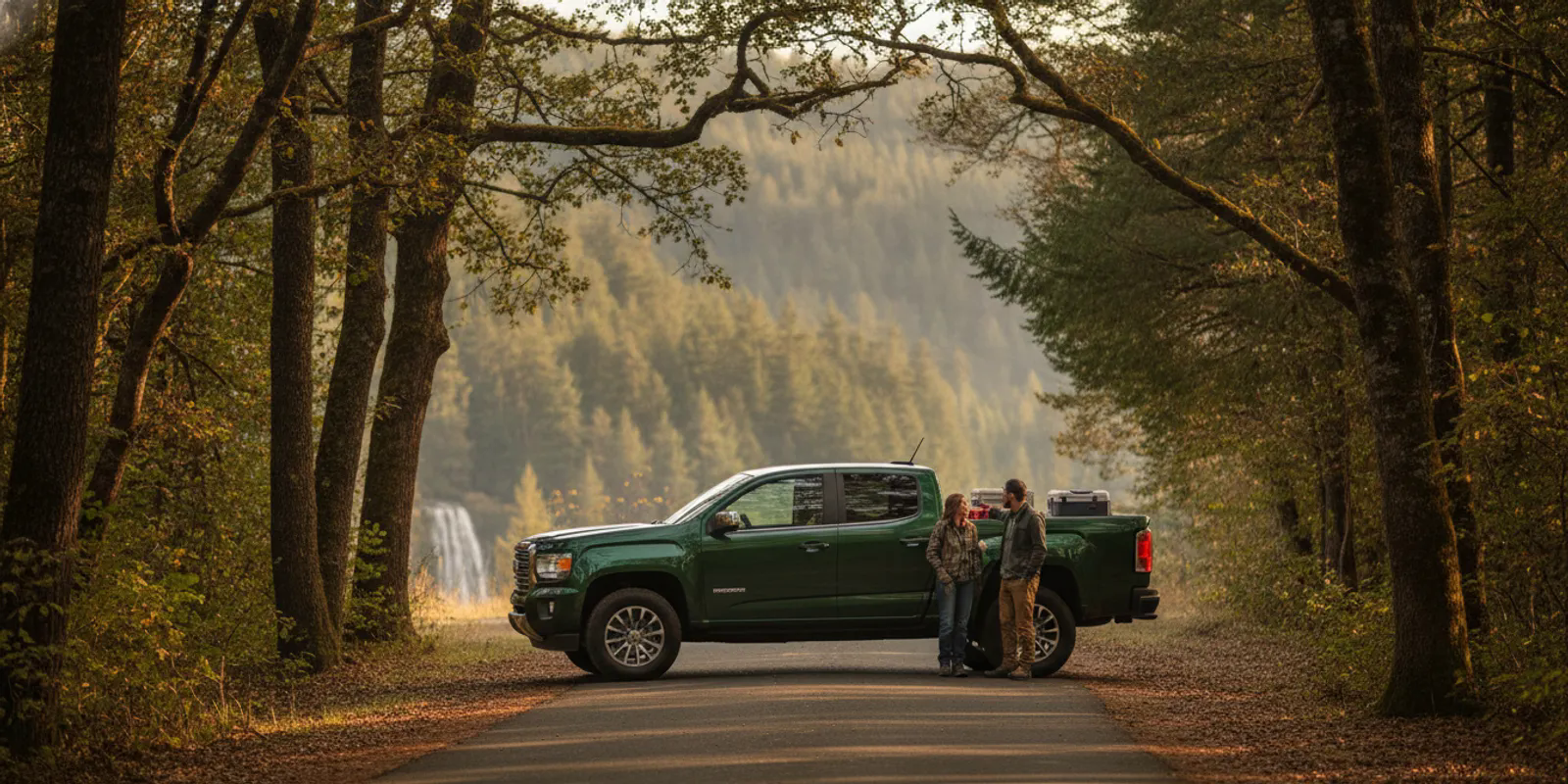
Is the GMC Canyon a good truck for your life in the Portland metro? It can be worth a close look if you want a pickup for everyday driving and practical truck tasks, but the right choice depends on the exact model year, configuration, and how you plan to use it. A commuter traveling between Clackamas, Gladstone, and Portland may prioritize different things than someone who regularly carries work gear or outdoor equipment. Start with your routine, then evaluate the specific truck.
Call Auto Town GMC about a Canyon test drive
What makes the GMC Canyon worth considering?
The Canyon is GMC’s midsize pickup. Its size and pickup layout make it a useful comparison for shoppers who want a truck but are not starting with a full-size model. “Good” is not a one-size-fits-all verdict: it means the truck’s passenger space, cargo arrangements, capability, and equipment suit the tasks you actually do.
Before visiting a dealership, list your three most common vehicle uses and rank them. Those might include a daily commute, carrying tools, moving recreational gear, or towing a trailer. Then add any occasional jobs. Prioritizing frequent needs helps keep an unusual once-a-year task from outweighing the things that affect your everyday comfort.
For example, a shopper who mainly commutes and carries a few bags may focus on seating comfort, visibility, parking, and the cabin features on the individual truck. A buyer who hauls materials should also check the specific vehicle’s published payload information and how the cargo will be secured. A trailer owner should identify the trailer’s loaded weight and verify the truck’s towing information for its exact configuration.
Which Canyon configuration should you compare?
Model year and configuration matter. Equipment, available features, and published capability can differ from one vehicle to another. Do not assume that every Canyon has the same equipment or capacity based on the model name. Use current GMC information and the vehicle’s listing or window sticker to check what is included, and ask the dealership to confirm details for the exact vehicle.
- Driving and parking: Think about your commute, garage, workplace parking, and the roads you use most. A test drive can help you judge whether the truck feels manageable in your usual settings.
- Passengers: Consider who rides with you and how often. If possible, bring regular passengers along so they can try the seating and entry space.
- Cargo: List the people and equipment you normally carry. Check the specific truck’s capacity information and do not exceed its stated limits.
- Towing: Identify the trailer and its loaded weight before comparing vehicles. Verify applicable towing information for the specific truck and any equipment that affects it.
- Features: Decide which comfort, connectivity, and driver-assistance features matter, then confirm that each one is present on the vehicle you are considering.
When comparing two trucks, use the same checklist for both. Write down model year, configuration, included equipment, and the capacity information relevant to your plans. That makes it easier to compare the actual vehicles rather than relying on a trim name or a broad description.
How can Portland-area shoppers make a test drive useful?
A useful test drive should resemble your normal driving as much as circumstances allow. Before leaving, adjust the seat and steering position. Check mirror settings, sight lines, control placement, and how easy it is to get in and out. Notice whether you can reach frequently used controls without distraction.
On the route, pay attention to the way the truck feels in stop-and-go traffic, on turns, and at the speeds you commonly travel. If possible, include a road similar to your regular commute. Portland-area shoppers may also want to consider their usual mix of city streets, busier roads, and tight parking areas; the point is to test the truck in conditions that matter to them, not to assume one route tells the whole story.
Parking deserves a practical check. Try maneuvering into a space similar to one at home or work, where feasible, and decide whether the size feels comfortable. If you regularly carry a child seat, work equipment, or sports gear, bring an example and check how it fits. Keep any demonstration within the vehicle’s stated limits.
Before the drive, prepare a short list of questions: What model year and configuration am I driving? Which features are included? Where can I review the vehicle’s capacity information? If an answer depends on an option or accessory, ask for confirmation for that exact truck. Auto Town GMC is a GMC dealership in Gladstone serving Portland-area shoppers; you can browse Auto Town GMC’s blog as part of your vehicle research, then confirm vehicle-specific details directly with the dealership.
What should you review beyond the drive?
Ownership fit includes more than how the truck feels for a few minutes. Review the vehicle information, your passenger and cargo needs, and the costs and terms that apply to the specific vehicle. Do not assume that one truck’s equipment, terms, or availability also apply to another. If a particular safety feature is important to your decision, verify it on the vehicle and consult consumer information from the National Highway Traffic Safety Administration.
Also think about routine maintenance and repairs. Auto Town GMC’s service operation handles GM maintenance and repairs. Ask about the maintenance information relevant to the Canyon you are considering, and confirm service details directly with the dealership. This is a practical ownership question, not a promise about a particular repair result, price, or turnaround time. You can also revisit Auto Town GMC’s blog for dealership-published vehicle information, while checking any model-specific detail against current GMC materials.
For a fair comparison, keep a simple note for each truck: what you liked on the drive, what you still need to verify, and whether it meets your regular passenger, cargo, and parking needs. If towing is essential, do not leave the key specification as an estimate; verify the exact vehicle’s applicable information before making a decision.
Is the GMC Canyon right for your needs?
The Canyon deserves a closer look if you want a GMC pickup and the specific truck’s seating, cargo arrangement, equipment, and verified capability align with your routine. It may be a less suitable choice if your regular work requires specifications beyond that vehicle’s limits, or if your daily priorities are better served by a different type of vehicle. The answer depends on the particular configuration and your own use, not a broad claim about an entire model line.
Before visiting, note your typical passengers, cargo, commute, parking situation, and any towing needs. Bring the same checklist for each truck you compare. Ask the dealership to identify the vehicle’s model year and configuration, show you the relevant equipment and capacity information, and answer questions about the next steps. This gives you concrete details to weigh instead of relying on assumptions.
Call Auto Town GMC to ask about a Canyon test drive
A focused test drive and a careful review of the exact truck can help you decide whether the GMC Canyon belongs in your driveway.