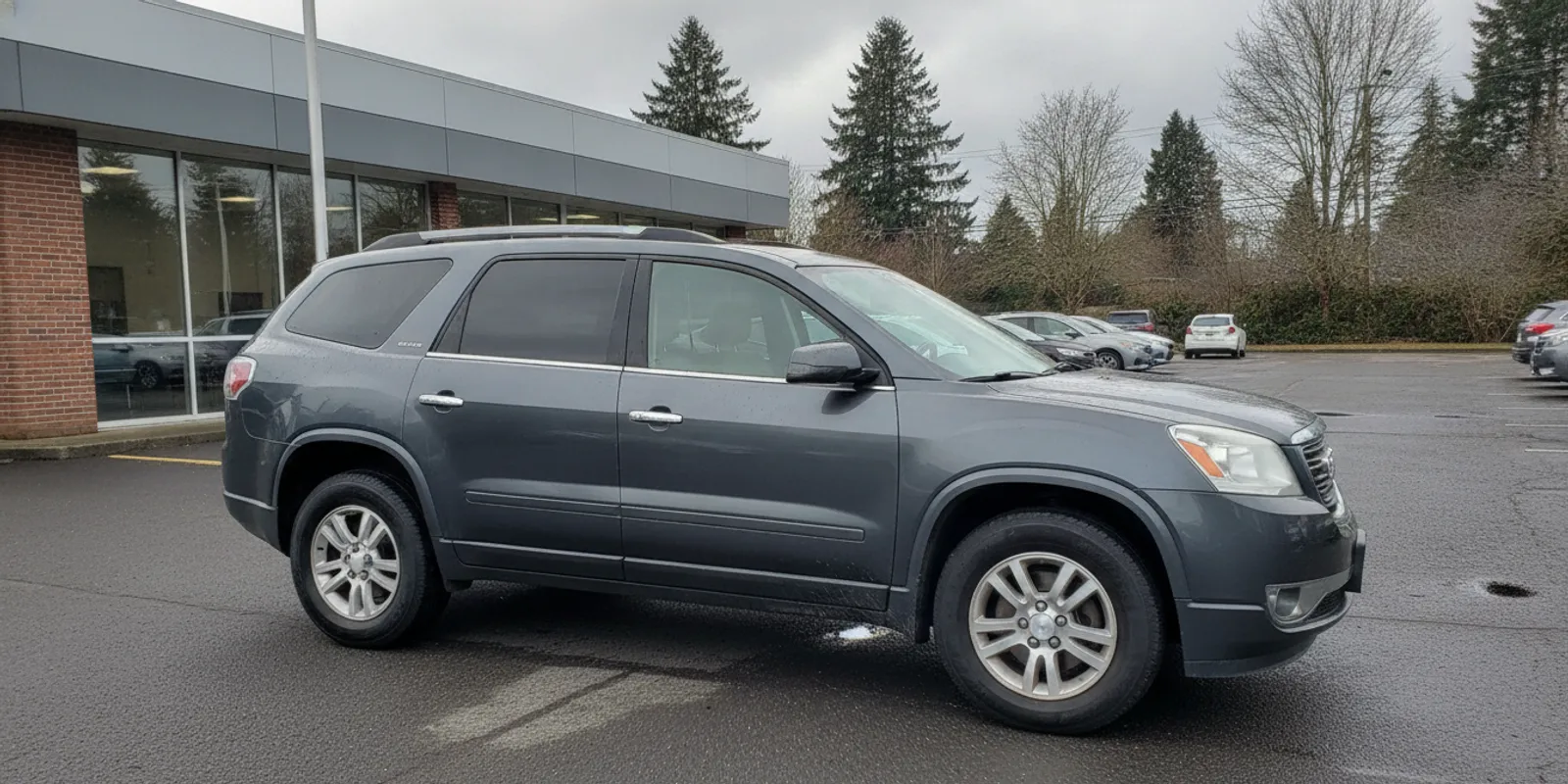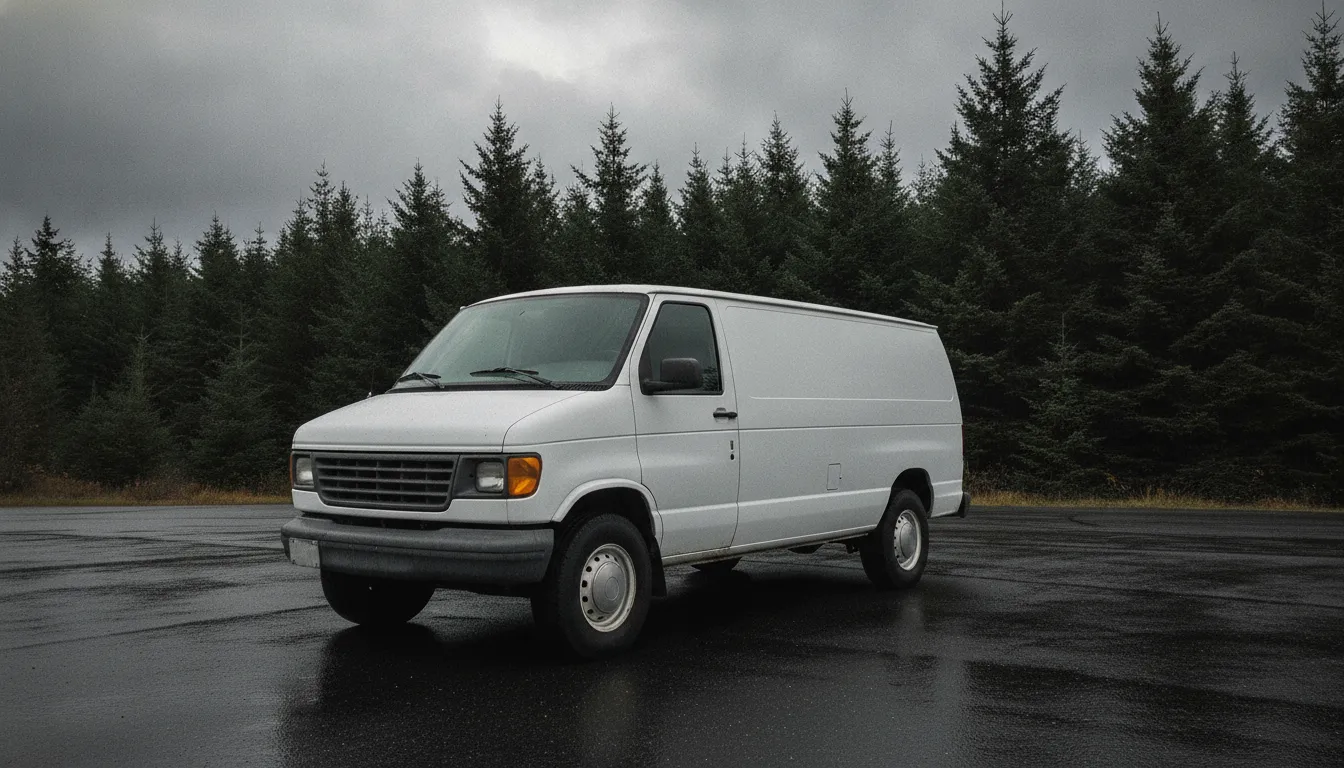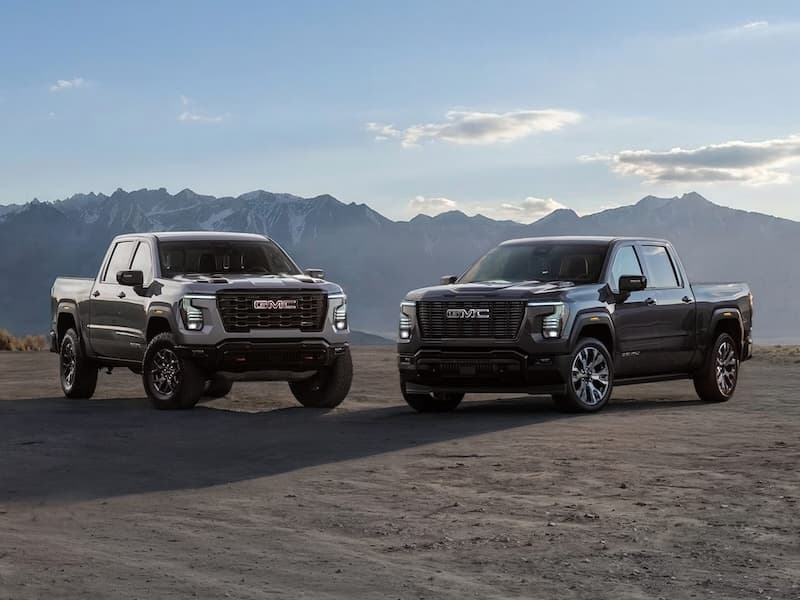

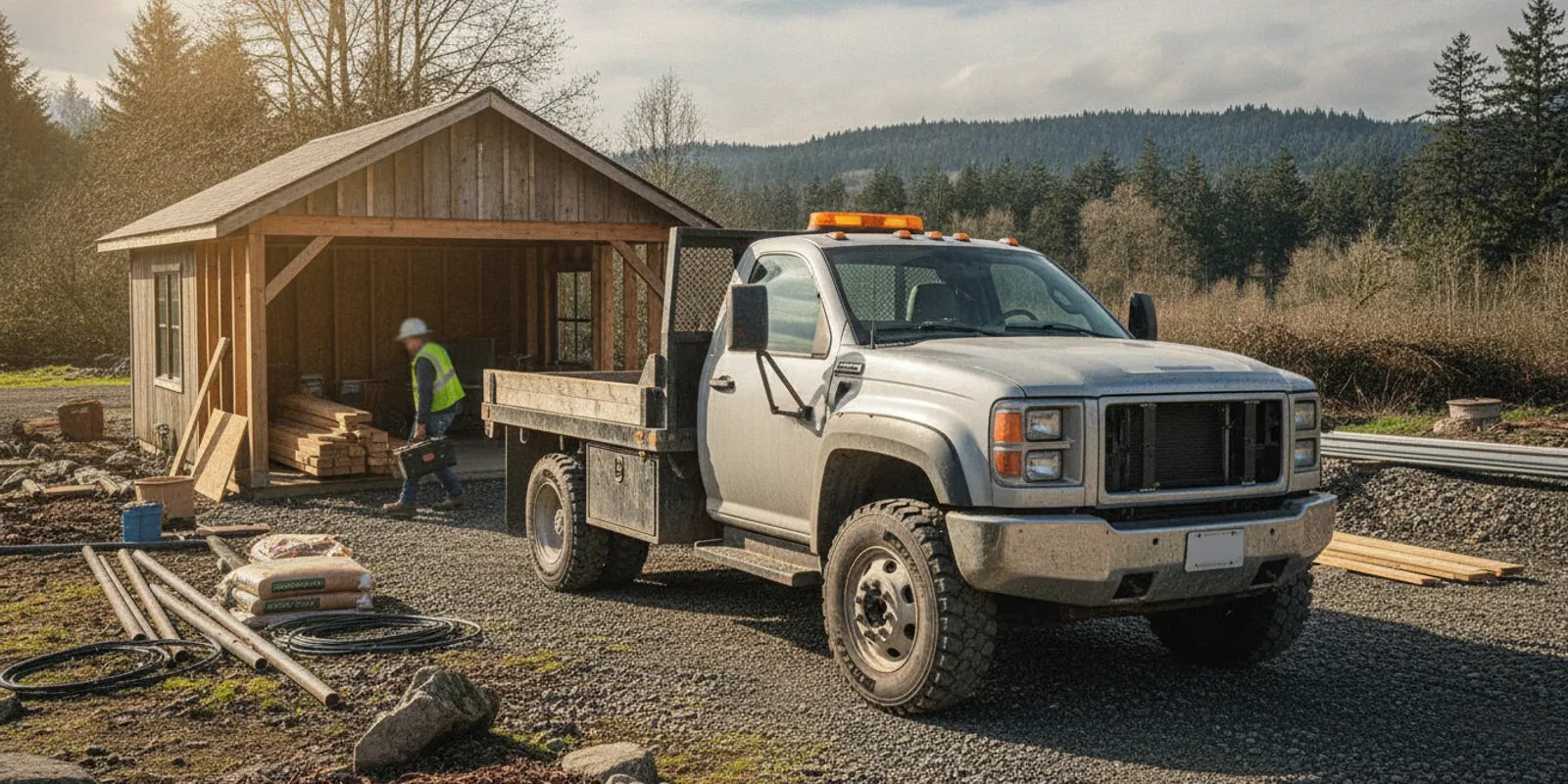
Finding GMC commercial trucks for sale is only the first step for a Portland-area business. The right choice depends on the work the vehicle must do, what it needs to carry or tow, how it will be equipped, and whether the specific vehicle fits your operating needs. Auto Town GMC is a GMC dealership in Gladstone serving the Portland metro area; ask the team to confirm current commercial inventory and vehicle details before making a decision.
What work will the truck do every day?
Start with the job, not a model name. Write down the usual route, the number of people who ride along, the tools or materials you carry, and whether you tow equipment or a trailer. Include occasional demanding jobs, but distinguish them from routine use. A truck selected around an unusual maximum load may not be the best match for everyday driving, while a vehicle sized only for light work may not suit a regular hauling requirement.
For example, a contractor carrying a crew and tools has different priorities from a business that regularly tows a loaded trailer. A delivery or property-maintenance operation may care more about cargo access, parking, and repeated stops. Identify which requirements are essential, which are preferences, and which can be handled by a separate trailer or equipment solution. Estimate the typical load by listing people, tools, materials and accessories, then note the heaviest realistic workday rather than relying on a vague description such as “heavy duty.”
How should you compare GMC configurations?
GMC’s commercial vehicle offerings include trucks and vans. Sierra and Canyon are among the GMC truck models, while Savana is a commercial van line. The best fit depends on the work setup and the exact vehicle configuration. Model names alone do not tell you whether a particular truck has the cab, bed, drivetrain, equipment, or capacity your business needs.
Compare the specific configurations you are considering. Check how many passengers you need to carry, what kind of cargo space is useful, how the vehicle will be loaded, and whether you need access to the cargo area from the side or rear. If you are considering a van, list the equipment or materials that must fit inside and consider how you will secure them. If you are considering a pickup, consider the bed and cab arrangement alongside any trailer requirements. Measure the tallest item, widest item and longest item you expect to transport, and compare those measurements with the usable space in the actual vehicle.
Which specifications should you verify?
Look at the manufacturer’s information for the exact model year and configuration, then confirm the details for the vehicle being considered. Capacity can change with configuration and installed equipment, so do not rely on a general model description or assume that two trucks with the same name have identical limits.
- Payload: Check applicable payload information for the specific vehicle. Account for occupants, tools, materials, accessories and other items carried in the truck.
- Towing: If you tow, confirm the vehicle’s applicable towing specifications and equipment. Consider the trailer and its expected loaded weight, not just the trailer’s empty weight.
- Vehicle and trailer ratings: Review relevant vehicle, axle and trailer limits in manufacturer materials and vehicle documentation. Ask a qualified dealer representative to help locate the right specifications.
- Powertrain and equipment: Confirm the configuration and installed options on the actual vehicle. Do not assume a capability based on a different trim or configuration.
- Dimensions: Check overall height, length and turning needs against your garage, worksite, parking and usual routes.
When a vehicle will operate near a limit, get the numbers checked against your real load and use case before purchase. Federal Motor Carrier Safety Administration regulations may apply depending on how a vehicle is used and its weight ratings; review the agency’s official regulations and confirm requirements relevant to your operation with the appropriate agency or professional: FMCSA regulations. Do not assume that a personal-use truck and a commercially operated vehicle have identical obligations.
Will the truck need an upfit?
Many business vehicles need equipment added for their work. Before choosing a truck, make a list of possible additions such as storage, a ladder rack, tool organization, a service body or other job-specific equipment. Treat these as questions to resolve, not as features included with every vehicle. Ask whether the particular vehicle can accommodate the equipment you have in mind, how the addition could affect available capacity, and who will supply and install it.
Bring measurements, equipment details and photos of the current setup when you discuss options. If an upfitter will be involved, coordinate with that provider and the dealership before finalizing the vehicle. Confirm compatibility, installation timing, warranty implications and any changes to vehicle ratings in writing with the relevant parties. A simple written list can prevent a mismatch: equipment name, approximate weight, mounting location, power needs and the person responsible for confirming fit.
What should you ask about inventory, financing and ownership?
Inventory changes, and a model or configuration discussed online may not be available at the time you shop. Ask Auto Town GMC in Gladstone to verify the current vehicle, its VIN-specific equipment and whether it matches your checklist. You can start by visiting the dealership website and confirming the exact vehicle with the sales team. Request a written breakdown of the vehicle price and any applicable fees, taxes and registration costs. Do not treat an advertised payment or incentive as a guaranteed offer; financing terms and eligibility depend on the specific transaction and buyer.
For a business purchase, ask what information is needed to discuss financing and whether the proposed terms fit the way the vehicle will be owned or used. Compare the total cost of the vehicle and planned equipment, not only a monthly payment. Also consider expected maintenance, parts needs, fuel or charging arrangements where applicable, and how the vehicle will be scheduled for service. If you are weighing two configurations, record the purchase and equipment costs separately so that an apparently lower initial price does not conceal a missing work requirement.
Auto Town GMC advertises GM vehicle maintenance and repairs, along with genuine GM parts and accessories. Before relying on a particular service option, confirm that the work you need can be handled, ask about parts availability and appointment timing, and get the scope and estimate from the service team. No repair time or result should be assumed until the dealership confirms the details for your vehicle.
Use a short checklist before you decide
- Describe the truck’s normal daily work and the loads it will carry or tow.
- Choose a vehicle type and configuration to investigate, then compare exact specifications.
- List required accessories or upfits and check compatibility before purchase.
- Confirm VIN-specific equipment, current availability, price details and any financing terms.
- Ask how service and parts needs will be handled, and verify appointment and availability details directly.
What is the practical next step?
Bring your load estimates, trailer details, crew needs and upfit list to a conversation with Auto Town GMC at 19495 SE McLoughlin Blvd in Gladstone. Ask the dealership to compare currently available GMC commercial vehicles against those requirements and verify the specifications and costs for any vehicle you are considering. A specific, written comparison is more useful than choosing by model name alone.
Check current new vehicle inventory
With your actual work requirements in hand, you can compare options carefully and ask focused questions before choosing a commercial vehicle.