
Blog / GMC Dealer

2026 GMC Savana: Cargo, Passenger, or Cutaway

Compare the 2026 GMC Savana cargo, passenger, and cutaway vans, then confirm the model year and setup at Auto Town GMC in Gladstone.

A work van earns its keep when it matches the job. A Portland-area contractor moving tools needs a different Savana than a shuttle operator carrying people or a shop that plans to add a custom body.

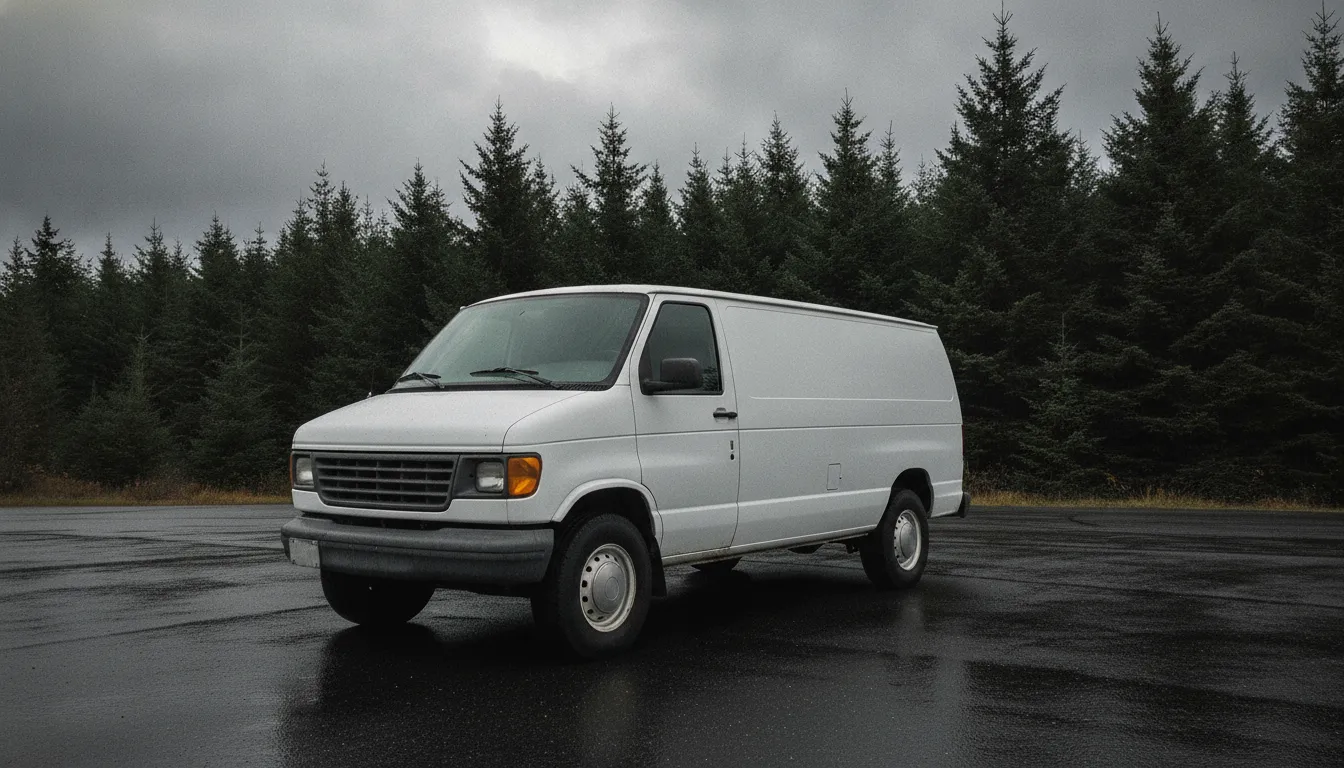
The 2026 GMC Savana comes as a cargo van, a passenger van, or a cutaway chassis. Cargo models focus on enclosed load space. Passenger vans seat 12 people as standard, or 15 when that arrangement is selected. The cutaway is built so an upfitter can add a service body, box van, or flatbed. Payload, towing, and equipment depend on the specific van. Confirm the window sticker before you buy.

See Savana vans at Auto Town GMC

GMC's live commercial pages now label the current Savana as a 2027, while a 2026 fleet sheet is still published. That is why the model year on the vehicle matters more than the year in a headline. Auto Town GMC in Gladstone can help Portland metro shoppers compare the body style first, then check the van in front of them.

Three Savana body styles, and the job each one fits

The right Savana starts with how you plan to use it. GMC offers three distinct body styles: cargo, passenger, and cutaway. Each supports a different kind of work, so choosing the body before choosing equipment can help you avoid paying for space or seating you will not use.

Cargo: a practical workspace for goods

The Savana Cargo is built around an open load area for tools, materials, equipment, or deliveries. Its side-door choices include swing-out 60/40 split doors, with an available sliding side door for operations where exterior clearance matters. Six D-ring cargo tie-downs help secure loads, while the black rubberized-vinyl floor covering is suited to a work environment that sees regular loading and unloading.

GMC also offers a 5-passenger Crew Van package as a cargo option. That makes it worth checking the package details if a crew needs to travel with equipment. But it is not the same body style as the Savana Passenger van. You can review current options through Savana Cargo inventory.

Passenger: seating for a team or group

The Savana Passenger is intended for moving people rather than maximizing an open cargo bay. It seats 12 passengers as standard, with an available 15-passenger arrangement. Rear climate controls can help manage the cabin for occupants beyond the front row. And passenger vans can be upfitted with wheelchair lifts when accessibility is part of the transportation plan. That combination can suit group transportation, hotel or employee shuttles, and organizations that need dedicated passenger capacity.

Cutaway: a chassis for a purpose-built vehicle

The Savana Cutaway gives an upfit partner a chassis for a service body, box van, flatbed, or another work-focused configuration. It is the flexible choice when a standard cargo interior is not the right tool and the business needs a body designed around its operation. Before selecting an upfit, confirm who supplies and supports each component: GMC states that equipment from an independent supplier is not covered by the GM New Vehicle Warranty. The GMC commercial vehicle information explains the body styles and upfit considerations in more detail.

In short, cargo keeps goods accessible, passenger prioritizes seats, and cutaway provides the foundation for specialized equipment. Matching that basic layout to the daily job is the first step toward a Savana configuration that works as intended.

What the engines and ratings actually mean

For the 2026 GMC Savana, the standard 4.3L V6 produces 276 horsepower and 298 lb.-ft. of torque through an 8-speed automatic transmission. An available 6.6L gas V8 raises output to 401 horsepower and 464 lb.-ft. of torque. The larger engine can be a useful choice when your work regularly involves heavier loads or trailer duty. But the right configuration depends on how the van will be equipped and used.

GMC publishes different maximums for each body style. The commercial lineup lists up to 10,000 pounds of available trailering for the Cargo van and up to 9,600 pounds for the Passenger van. Both can list a maximum gross combination weight rating (GCWR) of up to 16,000 pounds. The Cutaway lists a maximum payload of 5,360 pounds, a maximum gross vehicle weight rating (GVWR) of 12,300 pounds, and maximum GCWR of up to 16,000 pounds. GMC also lists 283.6 cubic feet of cargo volume for the Savana Cargo. See the GMC commercial specifications for the published figures.

Published Savana capability by body style
Body style.Published strength.What to confirm.
Cargo.Up to 10,000 pounds of available trailering, and 283.6 cubic feet of listed cargo volume.Actual trailer rating, van configuration, cargo placement, passengers, and hitch equipment.
Passenger.Up to 9,600 pounds of available trailering.Passenger count, onboard cargo, trailer setup, and the specific vehicle rating.
Cutaway.5,360-pound maximum payload and 12,300-pound maximum GVWR.Upfit design, equipment weight, occupants, and final chassis specifications.

These are published maximums, not a promise that every Savana can reach them. Passengers, tools, freight, trailer tongue weight, body equipment, axle ratings, and hitch hardware all affect the usable capacity. Before towing or loading, confirm the rating for the exact vehicle and equipment combination.

For control on changing terrain, Savana features include Tow/Haul mode and StabiliTrak. Hill Start Assist can briefly hold the brakes when starting on a grade of 5 percent or more. An available Eaton locking rear differential can lock the rear wheels together when additional traction is useful. Those features support the driver, but they do not replace checking the load, securing cargo, and staying within the vehicle's ratings.

Checks that matter before you buy in Portland

For shoppers in Gladstone and across the Portland metro area, the first check is the model year on the window sticker and vehicle paperwork. GMC's live Savana pages currently label the model as 2027, while a 2026 GM Fleet sheet is still available. That mix can make search results and older specifications look more current than they are. Match the year, body style, and equipment on the specific vehicle before comparing it with a 2026 GMC Savana listing or brochure.

Confirm the body style and current VIN

Start with the job the van must do. Cargo, passenger, and cutaway Savanas are different buying paths, and a search result for one should not be treated as proof that another configuration is available. Check the VIN and the vehicle's current equipment list for the exact unit. For passenger seating needs, review the passenger van search. Businesses planning a service body, box van, flatbed, or another conversion can review the cutaway search. If an upfit comes from an independent supplier, ask who completed it and what coverage applies. GMC notes that independent-supplier equipment is not covered by the GM New Vehicle Warranty.

Match the hardware to the work

Before you compare two vans, write down the details that affect daily use. Confirm the wheelbase and whether the van is a 2500 or 3500, then verify the engine and drivetrain on the VIN-specific build information. The 2026 fleet material identifies 4.3L V6 and available 6.6L gas V8 engines. Along with 2500 and 3500 rear-wheel-drive cargo work-van configurations, but equipment can vary by body style and model year.

Check the side-door style, cargo access, and interior layout. A sliding door may suit frequent curbside loading, while swing-out doors may fit a different loading setup. Passenger buyers should confirm seating and the arrangement that is actually installed, rather than relying on a generic model description. If Portland-area hills are part of your route, ask whether the specific van has Hill Start Assist and an available locking differential. Those features are worth discussing for your use case, but they do not replace a careful evaluation of the vehicle, load, and route.

How a 2026 GMC Savana 2500 differs from a 3500

The series number is the next decision after the body style. On the 2026 GM Fleet cargo sheet, both the 2500 and the 3500 come as rear-wheel-drive work vans in regular and extended lengths. The 3500 is the heavier-duty series. That does not mean every 3500 can carry the biggest number printed in a brochure.

GMC lists a maximum payload of 5,360 pounds and a maximum GVWR of 12,300 pounds on the cutaway, not as a universal cargo-van rating. A passenger van full of people uses part of that capacity before any cargo goes in. A cutaway with a box, liftgate, or service body uses more. Ask for the door sticker on the van you are looking at, then compare that sticker with your heaviest normal day.

A short way to narrow it

  1. Write down the heaviest load, including people, tools, and any added body.
  2. Decide whether the load is enclosed, seated, or built onto a chassis.
  3. Choose regular or extended length based on what must fit inside or behind the cab.
  4. Pick the 4.3L V6 unless the route regularly needs the 6.6L V8's extra torque.
  5. Read the 2500 or 3500 rating on that van's sticker before you talk price.

Auto Town GMC can walk through those five checks with you in Gladstone. Inventory changes, so the search results are a starting point, not a promise that a 2026 GMC Savana is parked outside today.

Service, parts, and financing after the sale

Choosing the van is only the first decision. A cargo van that carries tools every day, a passenger van that runs a shuttle, and a cutaway with an added body will not wear the same way. Auto Town GMC's service department in Gladstone handles GM maintenance and repairs for Portland metro owners. The goal is to diagnose the concern and fix it right the first time at a competitive price. No shop can honestly promise that every visit ends that way, so ask what the inspection found before you approve work.

Genuine GM parts and accessories are ordered through the parts counter. That matters if you add tie-downs, steps, or other equipment after delivery, and it matters again when a wear item needs replacement. If a cutaway has a body from an independent supplier, ask that supplier who covers the upfit. GMC states that independent-supplier equipment is not covered by the GM New Vehicle Warranty.

Financing questions belong on the GM finance page, not in a guess about a monthly payment. Approval, rate, and term depend on the lender and the buyer. Military members, first responders, and recent college graduates can ask which manufacturer programs apply to a specific new vehicle. Those programs require verification, and nothing here says they combine or names an amount.

The store is at 19495 SE McLoughlin Blvd, Gladstone, OR 97027. Sales questions go to the Gladstone sales desk. For a maintenance visit or a repair question, use the service desk.

Frequently asked questions

Which 2026 GMC Savana body style fits a Portland business?

GMC offers the Savana as a cargo van, passenger van, or cutaway. Choose the cargo model for enclosed equipment and materials, the passenger model for people-moving. Or the cutaway when you need an upfit-ready chassis for a service body, box van, or flatbed.

What does the 2026 GMC Savana Cargo Van offer for equipment?

The cargo van can be configured with swing-out 60/40 split side doors or an available sliding side door. It also includes six D-ring cargo tie-downs and black rubberized-vinyl floor covering. GMC lists up to 283.6 cubic feet of cargo volume on its commercial page. GMC commercial specifications

How many people can a 2026 GMC Savana Passenger Van seat?

The passenger van offers a standard 12-passenger arrangement or an available 15-passenger arrangement. It also has rear climate controls and can be upfitted with a wheelchair lift, making the configuration worth discussing with your commercial vehicle specialist.

How much can the 2026 GMC Savana tow?

Maximum trailering depends on the body style and configuration. GMC lists up to 10,000 pounds for the cargo van and up to 9,600 pounds for the passenger van. Both list a maximum gross combination weight rating of up to 16,000 pounds. Confirm the rating on the specific van before you plan a trailer.

What is the difference between a Savana 2500 and 3500?

Both are rear-wheel-drive work-van series on the 2026 GM Fleet cargo sheet, in regular and extended lengths. The 3500 is the heavier-duty series. GMC's cutaway page lists a maximum GVWR of 12,300 pounds and a maximum payload of 5,360 pounds for that chassis, but those figures are not a cargo-van payload. Compare the door sticker on the van you are considering rather than assuming every 3500 matches the maximum.

See which Savana fits the job

A spec sheet can tell you the maximum. It cannot tell you which van is on the lot or which setup matches your route. Start with the current Savana listings, then ask Auto Town GMC in Gladstone whether a cargo, passenger, or cutaway configuration is the better fit.

Contact the Gladstone sales desk. Bring the load, the passenger count, and any upfit you need. The team can walk through what is available and what would have to be ordered.
Posted in:

Related Posts

A used GMC Acadia parked at a dealership in Gladstone, Oregon

What Year GMC Acadia to Avoid? Used SUV Research Tips

If you are asking what year GMC Acadia to avoid, begin with the specific SUV, not a blanket year-by-year verdict. A model year can help focus your research, but it cannot tell you how one vehicle was maintained, repaired or driven. Portland-area shoppers can compare each candidate’s records, condition and fit before arranging a visit to Auto Town GMC in Gladstone. Call to discuss your used Acadia search Why can’t a model year answer the whole question? Two GMC Acadias from the same year can have different mileage, ownership histories, equipment and maintenance records. One may have thorough documentation, while another may have gaps that are hard to resolve. Even vehicles with similar histories can show different wear depending on their use and care. That is why a list labeling one year as the “worst” should be treated as a prompt for questions, not proof that every Acadia from that year should be rejected. A newer model year is not a guarantee of trouble-free ownership, either. The useful question is whether you can verify enough about the particular SUV to make an informed decision. Start by identifying what matters most to you. A family may prioritize seating and ease of access, while a commuter may focus on comfort, mileage and the condition of frequently used features. Write down your needs before comparing listings so that an eye-catching year, trim or feature does not distract from the vehicle’s actual history. How do you research a specific used Acadia? Confirm the identity. Record the year, trim, mileage and vehicle identification number (VIN). Check that the VIN shown on the vehicle and its paperwork matches the information in the listing. Keep notes for each candidate rather than relying on memory. Review the available history. Ask for a vehicle-history report and look for reported collisions, title events, ownership changes and recorded service. A report may not contain every event, so a clean-looking report is not a substitute for other records or an inspection. Ask for service documentation. Request available dated invoices or maintenance entries. Note what work was done, when it was done and whether the timeline has long gaps. If the records do not answer a question, mark it unknown and ask whether more documentation is available. Check recall status by VIN. Use the National Highway Traffic Safety Administration’s official website to find its vehicle recall lookup, then follow up about any open recall or repair question. Recall information is vehicle-specific; do not assume that a general discussion of a model year settles the status of an individual SUV. Inspect the vehicle and take a test drive. Look over the body, interior, tires, lights and visible areas for signs that merit follow-up. During a drive, notice warning lights, unusual sounds, braking, steering and how the SUV behaves. These observations can help you frame questions, but a short drive is not a mechanical diagnosis. Consider an independent inspection. If you want a closer mechanical assessment, ask whether you can arrange an inspection by a qualified professional before deciding. Confirm the timing and process with the seller. An inspection may identify concerns that are not obvious from a listing, history report or brief drive. Compare the whole picture. Weigh documented service, mileage, condition, equipment, open questions and how well the SUV suits your routine. If you cannot verify an important detail, decide whether you need more information before moving forward. For official recall information, begin at the National Highway Traffic Safety Administration website and use its recall lookup. Recall results address recall status; they do not provide a complete maintenance history or replace a mechanical inspection. How can you compare two Acadias fairly? Use the same checklist for every SUV you consider. For example, imagine two listings that appear similarly equipped. One has a more complete set of service records but a higher odometer reading; the other has fewer miles but gaps in its paperwork. Neither detail settles the decision on its own. Ask what the records show, whether the condition matches the description, and whether you can get the remaining questions answered. Put the information in a simple comparison note: Vehicle details: year, trim, VIN and mileage. History: report available, reported events and anything that needs explanation. Service: records received, notable repairs and gaps in the timeline. Condition: observations from the walkaround and test drive, plus any inspection findings. Fit: seating, cargo needs, features and comfort for the way you expect to use it. Follow-up: unanswered questions and who can verify them. This approach makes trade-offs visible. It also helps you avoid letting a general online claim outweigh the evidence you have for the actual vehicle. If a seller cannot confirm a detail, record it as unknown rather than assuming the best or worst. What should Portland-area shoppers keep in mind? Auto Town GMC is a GMC dealership in Gladstone serving the Portland metro area. Inventory changes, so confirm whether a particular Acadia is available and verify its details before making a trip. You can use the dealership’s online blog as a starting point for dealership-published information, but ask directly about the specific vehicle and its available records. When you contact the dealership, have the listing or VIN ready and ask what history and maintenance documentation can be reviewed. If you are comparing several vehicles, bring your notes and ask the same questions about each one. A test drive helps you judge comfort and everyday fit; a qualified inspection can address mechanical questions that a walkaround cannot settle. Before visiting, you can also review the Auto Town GMC blog for dealership-published articles, then call to confirm current inventory details. Do not assume a particular model, trim or year is on the lot based on general information; availability and vehicle-specific facts should be checked directly. What is the practical next step? Select the Acadia listings that appear to fit your needs, collect their VINs and compare their history, maintenance records, recall status, condition and equipment. If a key question remains unanswered, seek the appropriate documentation or inspection before deciding. That is more useful than ruling out an entire model year without checking the individual SUV. Call Auto Town GMC about used Acadia options Take your checklist with you, verify the details of the vehicle you are considering, and make your decision based on the evidence you can confirm.

GMC commercial truck parked at a small business worksite near Portland

GMC Commercial Trucks for Sale: What Business Buyers Should Compare

Finding GMC commercial trucks for sale is only the first step for a Portland-area business. The right choice depends on the work the vehicle must do, what it needs to carry or tow, how it will be equipped, and whether the specific vehicle fits your operating needs. Auto Town GMC is a GMC dealership in Gladstone serving the Portland metro area; ask the team to confirm current commercial inventory and vehicle details before making a decision. Explore new GMC inventory What work will the truck do every day? Start with the job, not a model name. Write down the usual route, the number of people who ride along, the tools or materials you carry, and whether you tow equipment or a trailer. Include occasional demanding jobs, but distinguish them from routine use. A truck selected around an unusual maximum load may not be the best match for everyday driving, while a vehicle sized only for light work may not suit a regular hauling requirement. For example, a contractor carrying a crew and tools has different priorities from a business that regularly tows a loaded trailer. A delivery or property-maintenance operation may care more about cargo access, parking, and repeated stops. Identify which requirements are essential, which are preferences, and which can be handled by a separate trailer or equipment solution. Estimate the typical load by listing people, tools, materials and accessories, then note the heaviest realistic workday rather than relying on a vague description such as “heavy duty.” How should you compare GMC configurations? GMC’s commercial vehicle offerings include trucks and vans. Sierra and Canyon are among the GMC truck models, while Savana is a commercial van line. The best fit depends on the work setup and the exact vehicle configuration. Model names alone do not tell you whether a particular truck has the cab, bed, drivetrain, equipment, or capacity your business needs. Compare the specific configurations you are considering. Check how many passengers you need to carry, what kind of cargo space is useful, how the vehicle will be loaded, and whether you need access to the cargo area from the side or rear. If you are considering a van, list the equipment or materials that must fit inside and consider how you will secure them. If you are considering a pickup, consider the bed and cab arrangement alongside any trailer requirements. Measure the tallest item, widest item and longest item you expect to transport, and compare those measurements with the usable space in the actual vehicle. Which specifications should you verify? Look at the manufacturer’s information for the exact model year and configuration, then confirm the details for the vehicle being considered. Capacity can change with configuration and installed equipment, so do not rely on a general model description or assume that two trucks with the same name have identical limits. Payload: Check applicable payload information for the specific vehicle. Account for occupants, tools, materials, accessories and other items carried in the truck. Towing: If you tow, confirm the vehicle’s applicable towing specifications and equipment. Consider the trailer and its expected loaded weight, not just the trailer’s empty weight. Vehicle and trailer ratings: Review relevant vehicle, axle and trailer limits in manufacturer materials and vehicle documentation. Ask a qualified dealer representative to help locate the right specifications. Powertrain and equipment: Confirm the configuration and installed options on the actual vehicle. Do not assume a capability based on a different trim or configuration. Dimensions: Check overall height, length and turning needs against your garage, worksite, parking and usual routes. When a vehicle will operate near a limit, get the numbers checked against your real load and use case before purchase. Federal Motor Carrier Safety Administration regulations may apply depending on how a vehicle is used and its weight ratings; review the agency’s official regulations and confirm requirements relevant to your operation with the appropriate agency or professional: FMCSA regulations. Do not assume that a personal-use truck and a commercially operated vehicle have identical obligations. Will the truck need an upfit? Many business vehicles need equipment added for their work. Before choosing a truck, make a list of possible additions such as storage, a ladder rack, tool organization, a service body or other job-specific equipment. Treat these as questions to resolve, not as features included with every vehicle. Ask whether the particular vehicle can accommodate the equipment you have in mind, how the addition could affect available capacity, and who will supply and install it. Bring measurements, equipment details and photos of the current setup when you discuss options. If an upfitter will be involved, coordinate with that provider and the dealership before finalizing the vehicle. Confirm compatibility, installation timing, warranty implications and any changes to vehicle ratings in writing with the relevant parties. A simple written list can prevent a mismatch: equipment name, approximate weight, mounting location, power needs and the person responsible for confirming fit. What should you ask about inventory, financing and ownership? Inventory changes, and a model or configuration discussed online may not be available at the time you shop. Ask Auto Town GMC in Gladstone to verify the current vehicle, its VIN-specific equipment and whether it matches your checklist. You can start by visiting the dealership website and confirming the exact vehicle with the sales team. Request a written breakdown of the vehicle price and any applicable fees, taxes and registration costs. Do not treat an advertised payment or incentive as a guaranteed offer; financing terms and eligibility depend on the specific transaction and buyer. For a business purchase, ask what information is needed to discuss financing and whether the proposed terms fit the way the vehicle will be owned or used. Compare the total cost of the vehicle and planned equipment, not only a monthly payment. Also consider expected maintenance, parts needs, fuel or charging arrangements where applicable, and how the vehicle will be scheduled for service. If you are weighing two configurations, record the purchase and equipment costs separately so that an apparently lower initial price does not conceal a missing work requirement. Auto Town GMC advertises GM vehicle maintenance and repairs, along with genuine GM parts and accessories. Before relying on a particular service option, confirm that the work you need can be handled, ask about parts availability and appointment timing, and get the scope and estimate from the service team. No repair time or result should be assumed until the dealership confirms the details for your vehicle. Use a short checklist before you decide Describe the truck’s normal daily work and the loads it will carry or tow. Choose a vehicle type and configuration to investigate, then compare exact specifications. List required accessories or upfits and check compatibility before purchase. Confirm VIN-specific equipment, current availability, price details and any financing terms. Ask how service and parts needs will be handled, and verify appointment and availability details directly. What is the practical next step? Bring your load estimates, trailer details, crew needs and upfit list to a conversation with Auto Town GMC at 19495 SE McLoughlin Blvd in Gladstone. Ask the dealership to compare currently available GMC commercial vehicles against those requirements and verify the specifications and costs for any vehicle you are considering. A specific, written comparison is more useful than choosing by model name alone. Check current new vehicle inventory With your actual work requirements in hand, you can compare options carefully and ask focused questions before choosing a commercial vehicle.

A tan 2026 GMC Sierra and a black 2026 GMC Sierra parked next to each other in front of the mountains.

Portland, OR GMC Shopping Guide: New vs. Used

Portland, OR GMC Shopping Guide: New vs. Used Comparing new and pre-owned trucks and SUVs at Auto Town GMC in Gladstone — your guide to finding the right vehicle for your budget and lifestyle. Shopping for a new truck or SUV often presents a delicate balance between desire and practicality. You might find a vehicle featuring your ideal trim that stretches your financial limits, or a comfortable monthly payment attached to a higher mileage vehicle than you anticipated. This leads to a fundamental question: "Do you truly need the utility of a pickup, or would a premium SUV better serve your daily routine?" Local shoppers can effortlessly compare new GMC models, used GMC vehicles, and pre owned trucks and SUVs from other top manufacturers all under one roof. Auto Town GMC proudly serves drivers from Gladstone, Portland, Milwaukie, Oregon City, Beaverton, and communities throughout Clackamas County. Shop New GMC Trucks Gladstone OR Shop Used Trucks for Sale Jump to a Section Match the Vehicle to Your Lifestyle Truck or SUV? Buying New Buying Used Used Options Beyond GMC New vs. Used at a Glance Set Your Budget Financing Questions Why Choose Local? Top Questions Step 01 — Assess Your Needs Match the Vehicle to Your Lifestyle Comparing new vs. used GMC trucks in Gladstone, OR, begins with a straightforward assessment: What demands will your vehicle need to meet on a daily basis? A pickup truck is ideal if you regularly tow heavy loads, transport large or oversized equipment, or need the versatility of an open cargo bed. Canyon: Packs full pickup capability into a compact, agile design. Sierra 1500: Balances daily comfort with versatile light-duty capability. Sierra 2500 HD & 3500 HD: Engineered for maximum towing capacity and heavy-duty workloads. Before choosing a truck size, you may want to consider: Towing Frequency: How often will you haul, and what specific trailer or equipment will you pull? Cabin Layout: Do you require a spacious crew cab for family or work crews? Driving Routine: Will the truck primarily navigate daily highway commutes? Bed Length: Is a longer bed essential, or would a shorter bed make parking easier? Drivetrain: Do your regular travel plans require four-wheel-drive capability? Choosing the right truck for your specific routine matters. Daily commuters often prioritize effortless parking, a quiet cabin, and easy maneuverability. However, anyone hauling commercial gear across the region needs heavy-duty frame strength, generous bed space, and reliable drivetrain performance. Step 02 — Consider the Alternative Truck or SUV: Which One Belongs in Your Driveway? Not every driver who begins their search looking for a truck, ultimately requires one. An SUV makes more sense if secure cargo space, family comfort, and daily drivability outweigh the need for a truck bed. GMC Terrain: Perfect for commuters looking for a compact, fuel-efficient SUV. GMC Acadia: Provides expanding families with midsize flexibility and multi row seating. GMC Yukon: The ultimate option for those needing full size passenger accommodations and maximum interior volume. Buying Factory Fresh The Benefits of Buying a New GMC Investing in a new GMC truck or SUV offers complete tailored control over your vehicle's exact specifications. This allows you to select the precise model year, trim level, package, paint color, and powertrain without compromise. A new GMC also brings state of the art driver assistance, modern infotainment systems, and factory warranty coverage. Buying New is Ideal When You: Plan on long-term ownership. Require a specific Sierra, Sierra HD, Denali, AT4, or Elevation configuration. Want the latest safety technology and connectivity features. Prefer complete clarity regarding the vehicle history and mileage. Demand exact specifications for cab style, bed length, or drivetrain layout. While new ownership carries a higher initial investment, it offers authority over your starting point. Explore our New GMC Inventory Shopping Value Smart The Value of Buying a Used GMC Choosing a used GMC truck is great for buyers who prioritize features and performance over the latest model year. A pre-owned Sierra can unlock luxury cabin options, top-tier trims, and powerful engine upgrades without exceeding your price target. Buying Pre Owned is Ideal When You: Want to lower your upfront purchase cost Are flexible on model year, mileage, and color Prefer stretching your budget toward a higher trim level, added features, or a larger vehicle Plan to use the truck for heavy work where normal wear and tear is expected Want to compare options across multiple brands at the same price point When evaluating used cars and trucks for sale near Portland, condition outweighs age alone. Two vehicles from the same model year can differ dramatically based on prior care. Always examine maintenance records, tire depth, brake condition, body integrity, and interior quality. A lower price tag is only beneficial when the vehicle aligns with your long term usage demands. Discover our Used Vehicle Inventory Expand Your Search Considering Used Truck Options Beyond GMC? Pre-owned truck shoppers often compare the GMC Sierra alongside models from Chevrolet, Ford, Ram, Toyota, and Nissan. Auto Town GMC makes this comparison easy for whatever brand you are considering. Key Factors Auto Town GMC Helps You Evaluate Our team ensures every vehicle meets high standards of quality, value, and reliability by determining these attributes: Capability: Confirming the truck easily handles your specific towing, payload, and daily hauling needs. Configuration: Matching the right cab style, bed length, and drivetrain to your exact workflow. Vehicle History: Providing transparent service records, title reports, and vehicle history details up front. Physical Condition: Inspecting mechanical components, body panels, bed integrity, and interior quality so you can buy with total confidence. Mileage and Value: Ensuring the odometer reading, condition, and price align to give you maximum long term value. Overall Ownership Cost: Helping you calculate a comfortable monthly payment that accounts for financing, insurance, and routine upkeep. While a pre owned GMC Sierra consistently stands out for its superior blend of premium cabin comfort and rugged capability, Auto Town GMC makes it easy to compare vehicles on our lot so you drive home in the ideal truck for your budget. Step 3 - Side-by-Side New vs. Used at a Glance New vs. Pre-Owned Vehicle Comparison Consideration New Vehicle Pre-Owned Vehicles Budget May carry a higher starting price Often begins at a lower price Technology Current equipment and system features Comes as is; determined by model, year, and trim Warranty New vehicle warranty coverage with purchase Varies by vehicle; buyer could add coverage Selection More control over trim and configuration Broad mix of years, trims, and brands available Vehicle History No previous owner; no mileage or maintenance history to consider Mileage, maintenance, and condition need to be considered Long Term Strategy Strong fit for drivers planning to keep it long-term Ideal for value focused shoppers Best Match Specific model, trim, technology, or equipment priorities Flexible shoppers comparing price, mileage, and capability The right vehicle depends on your workload, your planned ownership period, and your target budget. Factoring trade-in equity and monthly payment strategy into your decision ensures you select the option that offers maximum value from day one. Step 4 - Plan Ahead Set Your Budget First The sticker price represents only one component of your overall purchase strategy. Factors such as your trade in value, down payment, loan duration, interest rate, taxes, dealership fees, and ongoing maintenance all shape your actual monthly budget. Before finalizing your vehicle selection: Estimate Your Trade Value: A strong trade in appraisal can significantly boost your buying power, bringing a new GMC or a higher pre owned trim comfortably within reach. Use the Auto Town GMC trade appraisal tool for an accurate estimate. Determine Your Buying Power: Setting a clear budget keeps your search focused on vehicles that truly fit your goals. Determine your purchasing power with our online Buying Power Tool. Explore Financing Options Early: Comparing estimated monthly payments provides a much clearer financial picture than looking at total purchase prices alone. Common Questions Common Financing Questions Should I shop by purchase price or monthly payment? It is best to evaluate both. Total price determines overall vehicle value, while monthly payment reflects day to day budget fit. Be mindful that extending loan terms can lower monthly payments while increasing total interest costs over time. Can a trade-in alter my decision between new and used? Yes, significantly. Strong equity in your current vehicle lowers the total amount financed, potentially placing a new model or higher trim within reach, or allowing you to pay off a pre owned vehicle much sooner. Should I secure pre-financing information before my visit? Securing preliminary financing details saves valuable time. Knowing your verified buying range allows you to focus your time on test driving vehicles that genuinely fit your criteria. Explore your financing options online with Auto Town GMC. Your Local Dealer Everything in One Place Choosing a local GMC truck dealer near Portland streamlines the entire ownership experience by bringing sales, trade-in appraisals, competitive financing, and factory-certified service together under one roof. As a proud, family-owned dealership in Gladstone, Auto Town GMC has served drivers across the Portland Metro region for over 20 years. That commitment continues long after driving off the lot. Routine maintenance is essential to keeping any truck performing at its best, and having a trusted local service partner makes ownership effortless. Auto Town GMC is a quick stop for drivers traveling from Portland, Milwaukie, Oregon City, and surrounding communities, conveniently situated at 19495 SE McLoughlin Blvd in Gladstone. When maintenance is due, you can easily schedule a service appointment online. Quick Answers Frequently Asked Questions (FAQ) Is it better to buy a new or used GMC truck in Gladstone, OR? It depends entirely on your budget, feature preferences, desired warranty coverage, and intended vehicle workload. New is optimal for drivers seeking factory warranties, specific custom configurations, and long term ownership. Used is ideal for value focused buyers seeking maximum capability per dollar. What GMC trucks should Portland Metro shoppers compare? Start with the versatile Sierra 1500 for an ideal blend of daily drivability and towing power. Evaluate the Sierra 2500 HD or Sierra 3500 HD for commercial grade demands, or consider the midsize Canyon for easier urban maneuvering. Shoppers looking for elevated luxury should explore Denali trims. Does Auto Town GMC sell used trucks near Portland? Yes. Auto Town GMC maintains a high quality selection of pre-owned vehicles for Portland Metro drivers, featuring pre-owned GMC models and quality trucks from other reputable manufacturers. Should I value my trade before shopping for a truck or SUV? Absolutely. Establishing your trade in equity yields an accurate starting budget, clarifying whether a new or pre owned vehicle best suits your financial goals before you start test driving. Can I service my GMC at Auto Town GMC after buying it? Yes. Routine maintenance and repair support are available through the dealership service department. You can schedule GMC service online at any time. Find the Right Truck or SUV at Auto Town GMC The right vehicle goes beyond being the newest model in the showroom. It is the option that aligns seamlessly with your daily routine, work demands, and budget. Drivers searching for a new GMC truck, a family SUV, or a reliable pre-owned vehicle near Portland can count on Auto Town GMC in Gladstone. Visit today to browse current inventory, receive an instant trade in appraisal, and explore your financing options. Shop New Inventory → Shop Used Inventory → Get Pre-Approved Call 503-342-8818 Auto Town GMC • Gladstone, OR • Serving the greater Portland metro area